
Most advice about a mochi stuffed toy gets the first thing wrong. It treats every soft, rounded, viral-looking object as if it does the same job, but display plush, collectible character merch, and squeeze-focused foam toys are different products with different trade-offs. If you care about feel, safety, and long-term use, the material matters as much as the cute shape.
Table of Contents
- Understanding Mochi Stuffed Toys and Squishies
- Evaluating Materials and Safety Standards
- Finding the Best Uses for Tactile Toys
- Cleaning and Caring for Your Squishy Collection
- Choosing the Right Mochi Toy for Your Needs
- Building Your Tactile Toy Collection
Understanding Mochi Stuffed Toys and Squishies
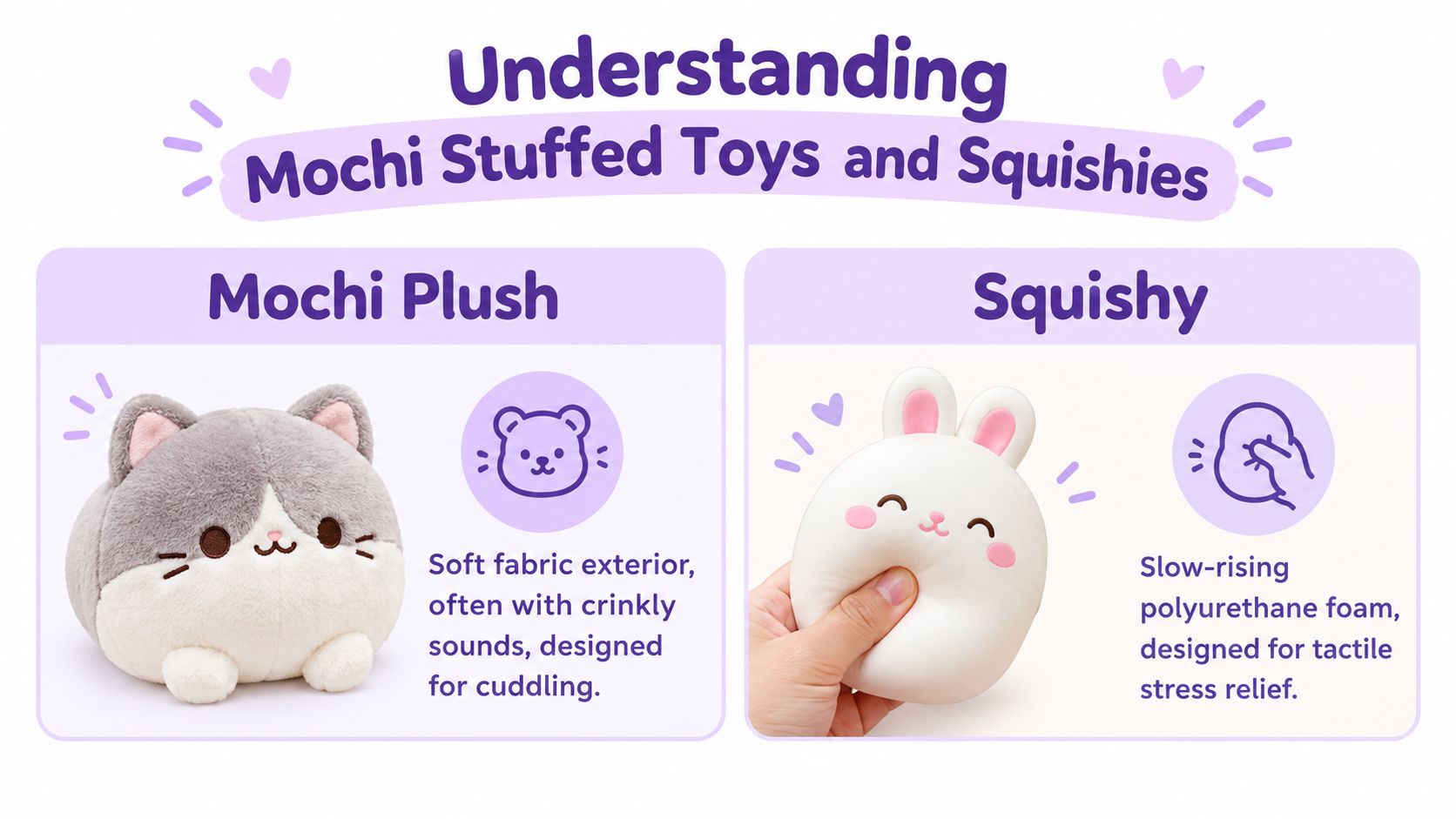
A mochi stuffed toy usually refers to the rounded, compact character plush style that grew out of Japan's character-goods and kawaii culture. The appeal comes from the shape itself, simple, soft, and often tied to collectible characters rather than strong tactile resistance. A squishy is built around compression and rebound, so the feel in your hand is the point, not just a side effect.
Shape does not tell you the function
Disney's Tsum Tsum line, first released in Japan in 2013 and later expanded to the United States, helped spread the stackable, flattened, rounded silhouette that people now associate with mochi-style toys (Stuffed toy history). That history matters because it explains why shoppers now expect certain toy shapes to feel cute, portable, and collectible, even when the tactile experience is nothing like a true foam squishy.
A buyer who wants a desk companion may prefer the visual language of mochi plush. A fidget user may want the slow-rise resistance of polymer foam. Those are different jobs, and they reward different materials, sizes, and finishes.
Why the terminology gets messy online
Online listings often blur the line because both categories can look rounded, pastel, and character-led. That is why buyers click for the picture and then find the toy feels firmer, softer, or noisier than expected.
Practical rule: if you want a cuddleable display piece, focus on the plush construction. If you want repetitive squeezing, focus on the foam and the rebound.
The plush sector's broad retail base and digital-first discovery, as shown in the linked market assessment, push sellers to reuse the same visual language across toy types. Online listings often blur the line because both categories can look rounded, pastel, and character-led, so the safest shortcut is to separate looks cute from feels satisfying. For a closer look at how those visual styles get mixed together in practice, see popular squishy designs.
A rounded toy can be charming either way, but the hand-feel decides whether it belongs on a shelf or in constant rotation.
Evaluating Materials and Safety Standards
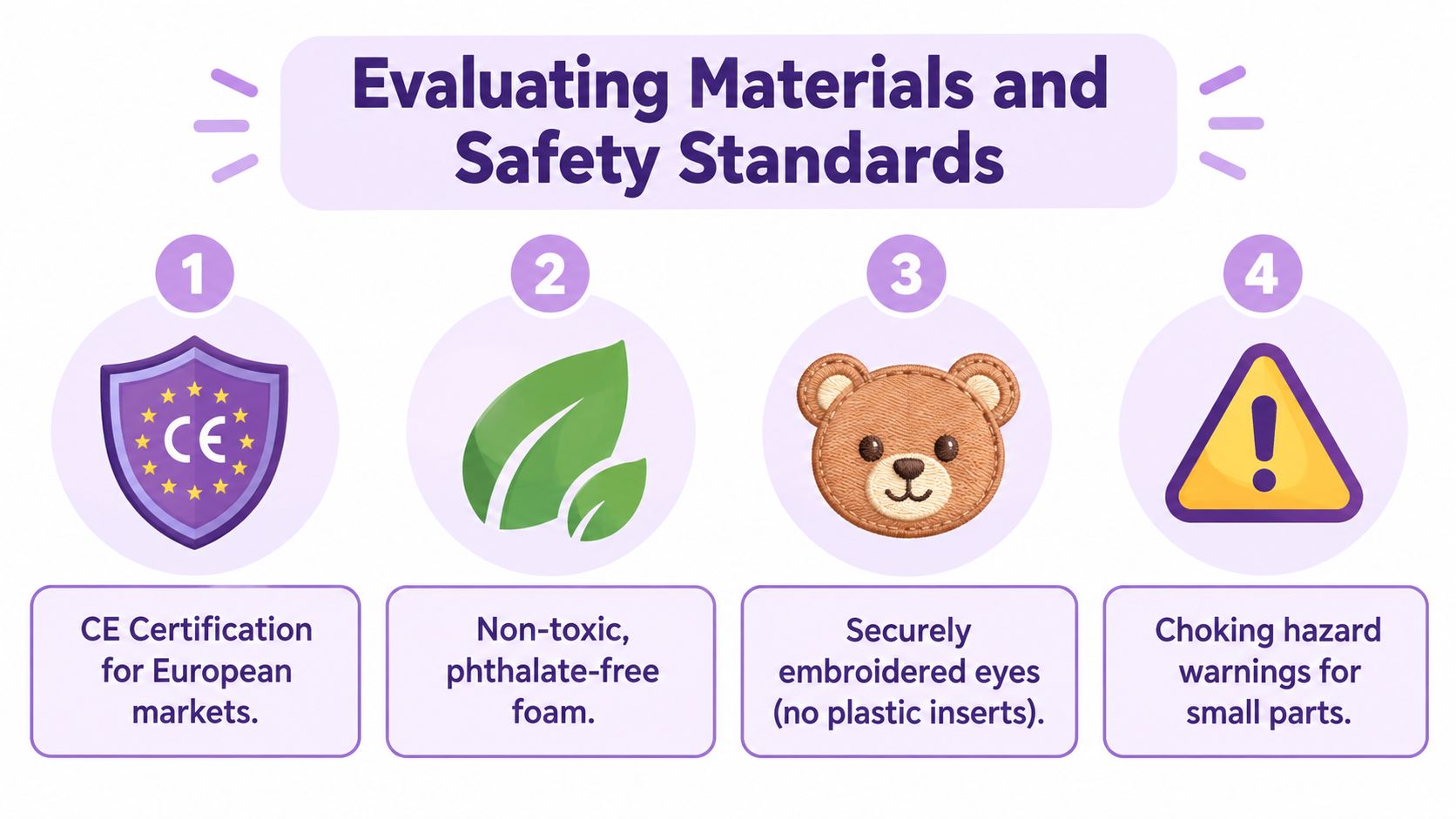
A mochi stuffed toy that behaves like a squishy should be treated as a squeezable polymer product, not ordinary plush. European scientific assessments identify polyurethane foam as the expected material in many squishy items, and they note emissions that can include volatile organic compounds, carbonyls, fragrances, and manufacturing-related substances such as dimethylformamide and triethyl phosphate (EU safety assessment). That does not mean every squishy is unsafe. It does mean the label alone is not enough.
What to check before buying
A strong odor, oily residue, or tacky surface can point to residue from manufacturing or packaging. The practical response is to set the item aside, let it ventilate, and ask for documentation on the polymer, coatings, colorants, and restricted-substance testing before regular use.
For a product like Coconut Oil Squishy, the playful look is part of the appeal, but the key buying question is material transparency. A smart buyer still wants to know what the surface is made of, how it was tested, and whether it arrived with any unusual smell or stickiness.
A basic inspection routine
- Inspect seams and paint: Look for splits, lifting paint, or weak join lines before the first squeeze.
- Cycle compression on samples: Press from several directions, then release. Repeat on incoming batches if you're buying for resale or gifting.
- Reject damaged units immediately: Tearing, filler migration, permanent deformation, or tackiness are all reasons to retire a toy.
- Keep packaging traceable: Supplier, batch, and purchase records matter if a product needs to be checked later.
If a squishy smells sharply of solvent when you open it, do not assume it will air out on its own. Set it aside until you have confidence in the batch.
Australia's product-safety guidance warns that squishy toys may become unsafe when they split, leak, or release small parts, gel, or chemicals, and it also notes restrictions on certain phthalates such as DEHP (squishy toy guidance). That is why child-oriented products need clear age guidance, warnings about chewing or biting, and evidence tied to the destination market's toy rules. For a practical checklist, see our squishy safety for kids guide.
Finding the Best Uses for Tactile Toys
A mochi-style toy is not a cure for stress, and it should not be sold that way. Its real value is narrower and easier to trust. It can support a calm routine by keeping the hands busy, offering repetitive tactile input, interrupting a nervous habit, or giving someone a quiet sensory break.
Match the toy to the task
Some people want soft compression with almost no effort. Others want firmer resistance, a little squeak or crunch, or a shape they can hold in class without drawing attention. The right choice depends on the setting, not on a diagnosis label.
Sensory transparency matters here. If you need quiet handling in a classroom, a smooth, low-noise toy makes more sense than a crunchy texture. If you want a desk item that can handle repeated squeezes during work breaks, a firmer squishy usually feels more satisfying.
Good rule of thumb: do not ask whether a toy is “good for anxiety.” Ask whether it helps with the exact moment you are trying to get through.
Real users are more specific than social media makes them look. Some want scent-free surfaces. Some want a plush feel. Some want a more resistant squeeze that gives a stronger hand finish.
A quick comparison you can use
| Texture Type | Best For | Key Characteristic |
|---|---|---|
| Soft plush mochi | Display, gifting, cuddling | Rounded character shape, fabric-forward feel |
| Slow-rise foam | Repetitive squeezing, desk fidgets | Compression and rebound are the main appeal |
| Crunchy-style squishy | ASMR-like handling, collectors | More textured hand-feel, often more audible |
| Small pocket toy | Travel, class, office use | Easy to carry and discreet |
If you want to browse tactile ideas by activity rather than by hype, our sensory play ideas collection organizes options by use case. The practical filter is simple: compare firmness, noise, scent, portability, and cleaning. A collection works well when each piece serves a different moment, not when every toy tries to do everything at once.
Cleaning and Caring for Your Squishy Collection
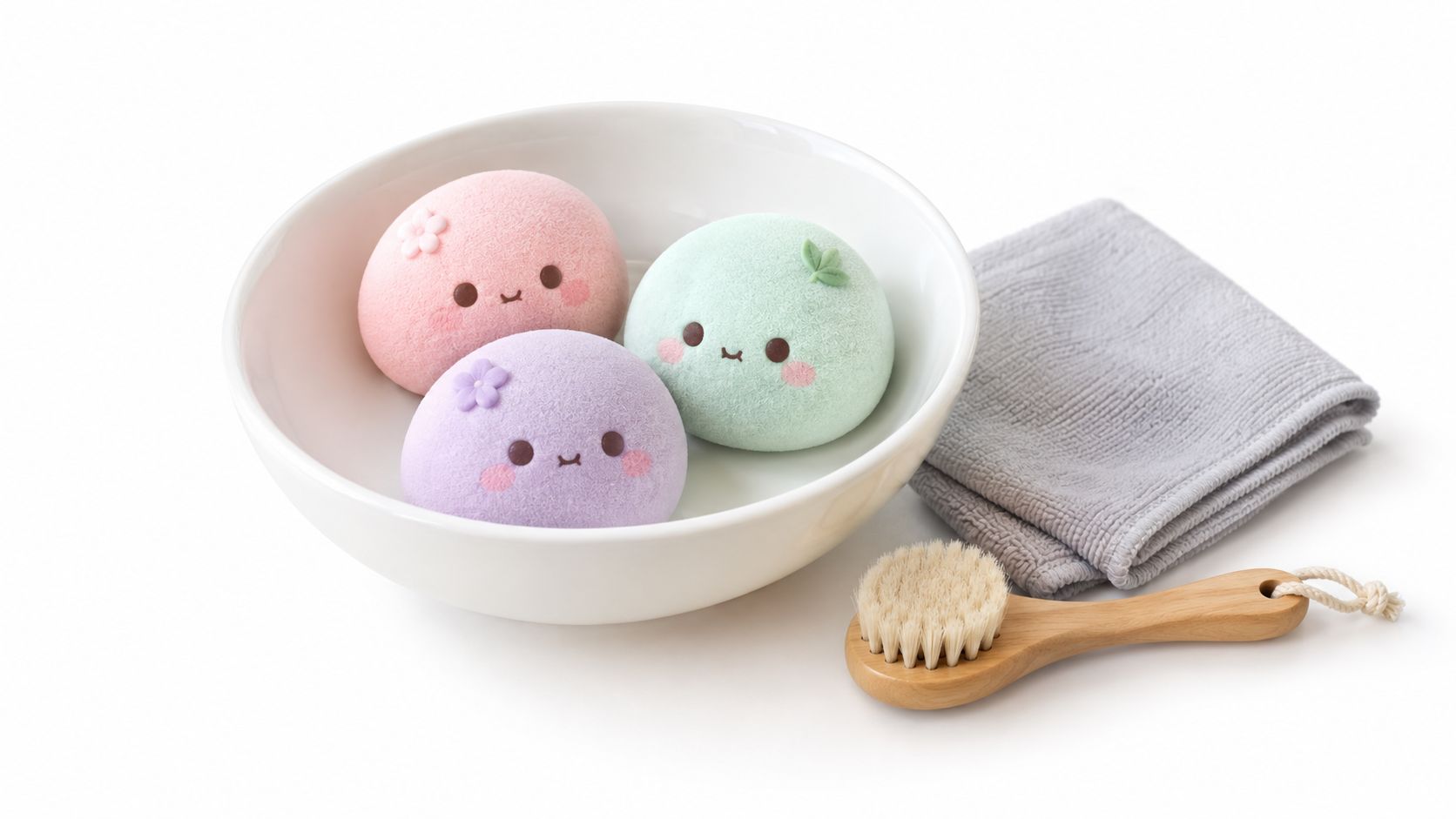
New squishies often need a little care before they feel ready for regular use. If a toy arrives with a strong packaging odor, take it out of the wrap and let it sit in a well-ventilated area rather than sealing it in a drawer or bag.
For repair-focused advice, the fix-a-squishy guide is useful as a reference point, but basic prevention matters even more than repair. Surface cleaning and careful storage will protect the texture longer than aggressive scrubbing ever will.
Keep cleaning gentle
Use a soft cloth, mild soap if needed, and light pressure. Harsh solvents, soaking, and abrasive scrubbing can damage surface coatings, strip color, or weaken decorative details.
Storage matters just as much as cleaning. Keep the toy away from sharp objects, heavy stacking, direct heat, and long-term compression that could flatten the shape or leave permanent dents.
Retire damaged toys fast
- Tears: Any split skin can become a release point for filler or fragments.
- Tackiness: Sticky surfaces often mean the item is breaking down.
- Filler migration: Beads, foam, or gel moving where they shouldn't is a red flag.
- Permanent deformation: If it no longer rebounds normally, the toy is past its comfortable lifespan.
The reason to be strict is simple. A damaged squishy stops being a tactile tool and starts becoming a choking or contamination risk.
A clean, intact toy is easier to enjoy and easier to trust. If you're buying for a child, a classroom, or a shared office space, that trust matters as much as the design.
Choosing the Right Mochi Toy for Your Needs
The easiest way to shop well is to ignore the photo for a minute and judge the toy by firmness, texture, size, and disclosure. A good mochi stuffed toy feels right in the hand before it looks impressive on a shelf.
Use case first, trend second
If you want a display piece, prioritize shape fidelity, stitching quality, and a finish that doesn't feel fragile. If you want an active fidget, look for compression that returns cleanly without leaving permanent dents. If you're buying for a child, age guidance and choking warnings should come before color and character branding.
Curated retailers are useful because they tend to make comparison easier. Archie's Squishies groups trend-led items and makes product browsing simple, which helps when you're trying to compare collectible pieces, gifting options, and repeat-use fidgets in one place. That kind of structure is more helpful than a random marketplace listing where material details are vague and the product page says very little.
Texture and use case match
| Texture Type | Best For | Key Characteristic |
|---|---|---|
| Smooth slow-rise foam | Quiet desk use, repetitive squeezing | Soft resistance with steady rebound |
| Crunchy-style fill | ASMR-style handling, collecting | More texture and more audible feedback |
| Rounded plush mochi | Display and casual hugging | Character-first shape, softer visual presence |
| Oversized novelty shape | Gifting and statement pieces | Bigger visual impact, less subtle handling |
A useful buying habit is to ask one more question before checkout. Will this toy still make sense after the trend passes? If the answer is yes because the texture, size, or display value is genuinely good, it's probably a better purchase than a purely viral one.
Building Your Tactile Toy Collection
I've seen the best collections grow from small, deliberate choices, not impulse piles. One person keeps a single quiet desk squishy for work breaks, another collects rounded character plushes for display, and a third rotates seasonal items because different textures fit different moods. That's the core appeal: not owning everything, but owning the few pieces that earn their place.
The strongest collecting habit is to buy with a purpose. A tradeable novelty piece, a palm-sized fidget, and a softer display toy can all live in the same collection if each one has a job.
If you like discovering new textures without committing to a huge order, mystery formats and seasonal drops can be fun, but only when the retailer is clear about what kind of item you're getting. The collectible squishy toys guide is a useful reminder that collecting works best when the fun is paired with transparency, not mystery alone.
Collector's habit: keep the toys you actually reach for, and let the rest move on.
That mindset makes gifting easier too. A friend who wants quiet handling will not enjoy the same texture as someone who likes crunchy feedback, and a child needs clearer safety cues than an adult collector does. The more specific you are, the fewer disappointing buys you end up with.
If you want mochi-style toys that balance tactile satisfaction with clearer product choices, Archie's Squishies is a practical place to start. Browse Archie's Squishies for trend-led squishies, collectible shapes, and options that make it easier to match the toy to how you use it.
Written with Outrank app